Undergrowth Removal Timing Guide
Undergrowth removals are most effective when performed during specific periods of the year. Proper timing ensures the removal process is efficient, minimizes regrowth, and promotes healthier landscape maintenance. Understanding seasonal patterns and plant growth cycles is essential for optimal results.
Spring is ideal for undergrowth removal as plants are emerging from dormancy, making invasive species easier to identify and remove before they establish deep roots.
Summer removals can be challenging due to dense foliage, but targeted removal during early summer can control rapid growth and prevent overgrowth.
Fall is suitable for removing dead or overgrown vegetation, reducing fuel for winter fires and preparing the landscape for the dormant season.
Winter is generally less favorable due to frozen ground and dormant plants, but it can be useful for certain invasive species that are active during colder months.
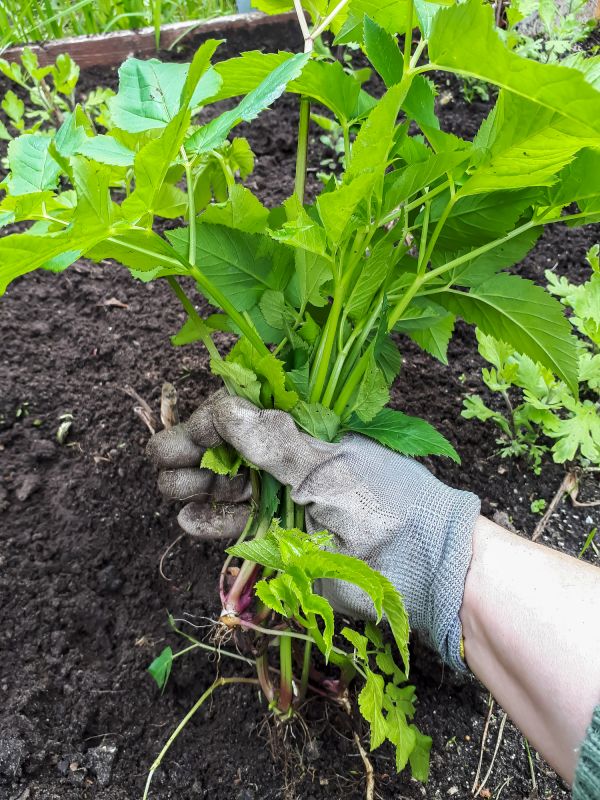
Early spring is ideal for tackling invasive plants before they spread extensively.
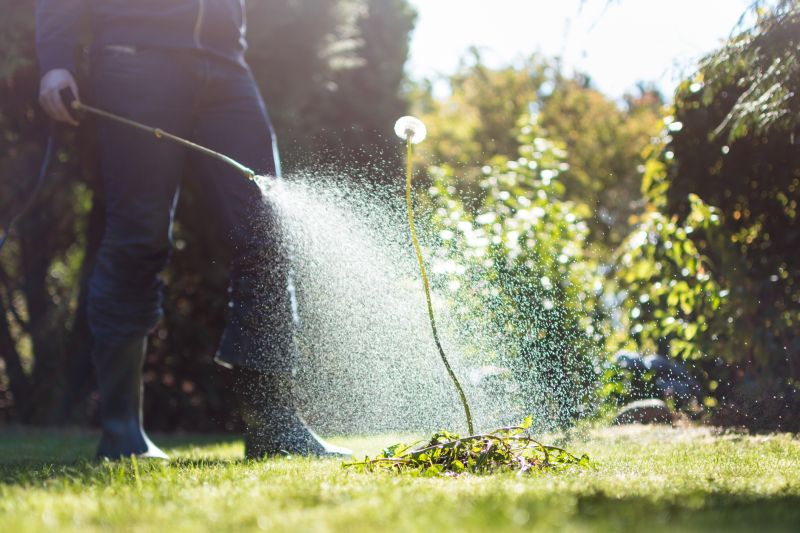
Targeted removal during summer helps manage rapid growth and dense foliage.
Removing dead vegetation in fall prepares the landscape for winter dormancy.

Ways to make Undergrowth Removals work in tight or awkward layouts.
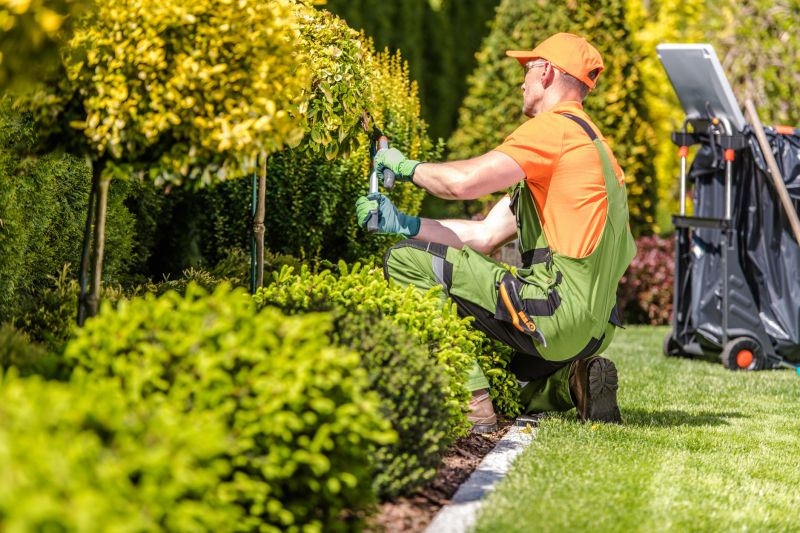
Popular materials for Undergrowth Removals and why they hold up over time.
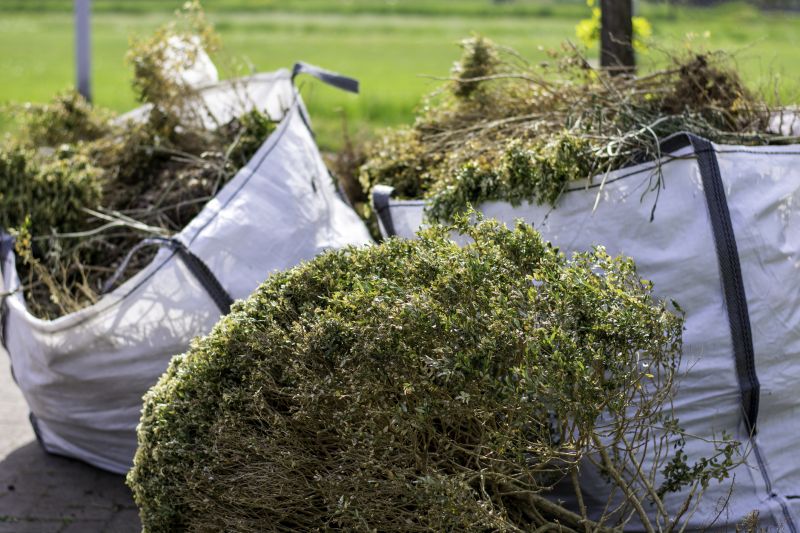
Simple add-ons that improve Undergrowth Removals without blowing the budget.
| Season | Best Activities |
|---|---|
| Spring | Plant emergence, invasive species removal, early growth control |
| Summer | Targeted removal of dense foliage, invasive plant management |
| Fall | Removal of dead vegetation, landscape clearing |
| Winter | Control of certain invasive species, dormant season activities |
Undergrowth removal is an essential component of landscape management, helping to control invasive species, reduce fire hazards, and promote healthy plant growth. Proper timing aligns with plant life cycles, ensuring effective removal and long-term landscape health. Regular maintenance during appropriate seasons prevents overgrowth and maintains the aesthetic and safety of outdoor spaces.
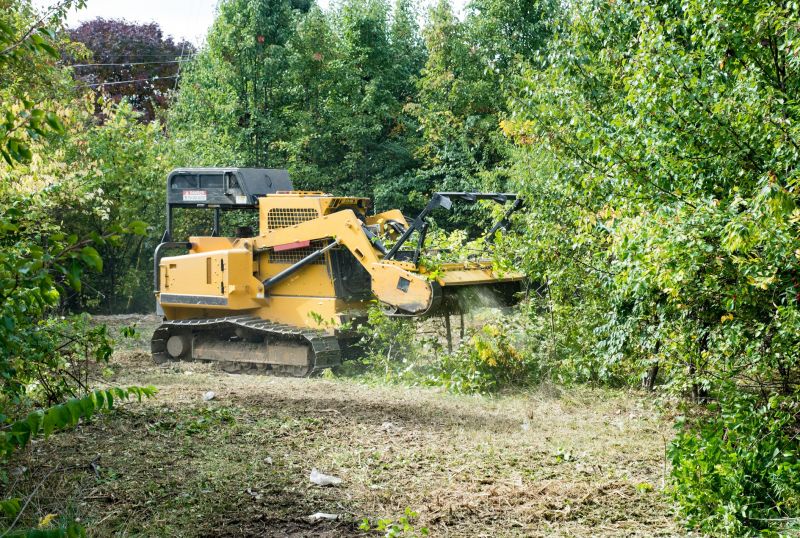
Using the right tools enhances efficiency and safety during removal.
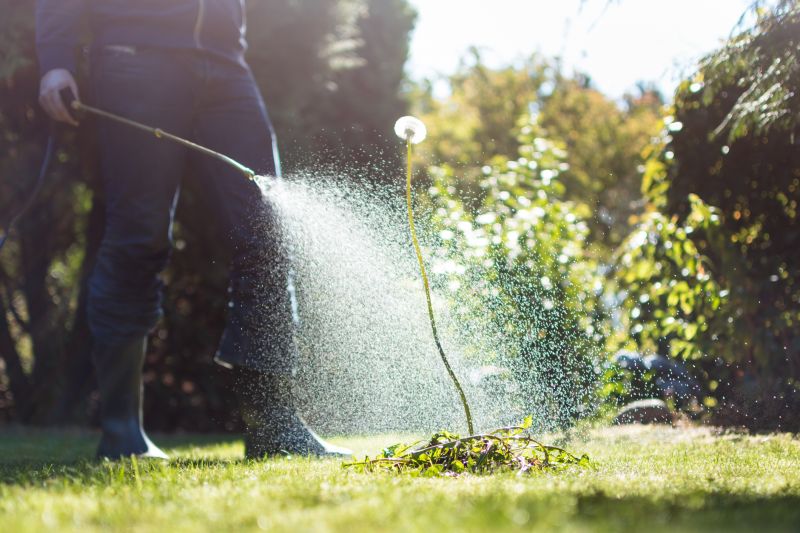
Proper removal techniques restore landscape accessibility and appearance.
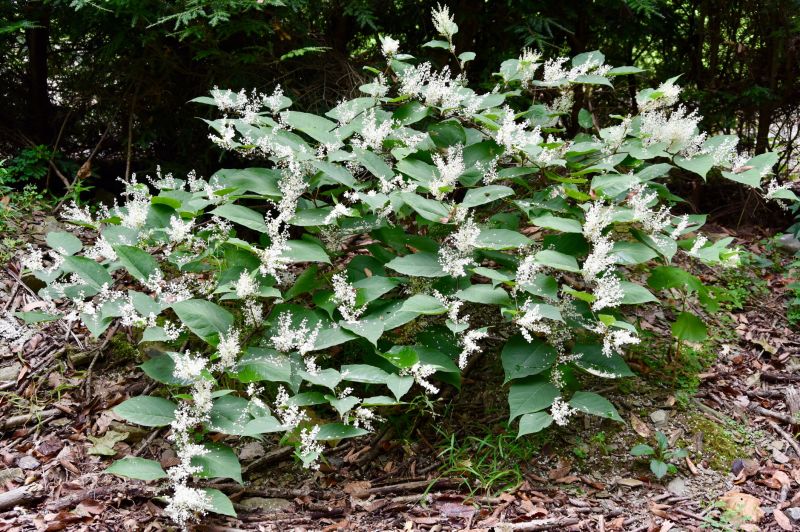
Targeted removal prevents spread and preserves native plants.
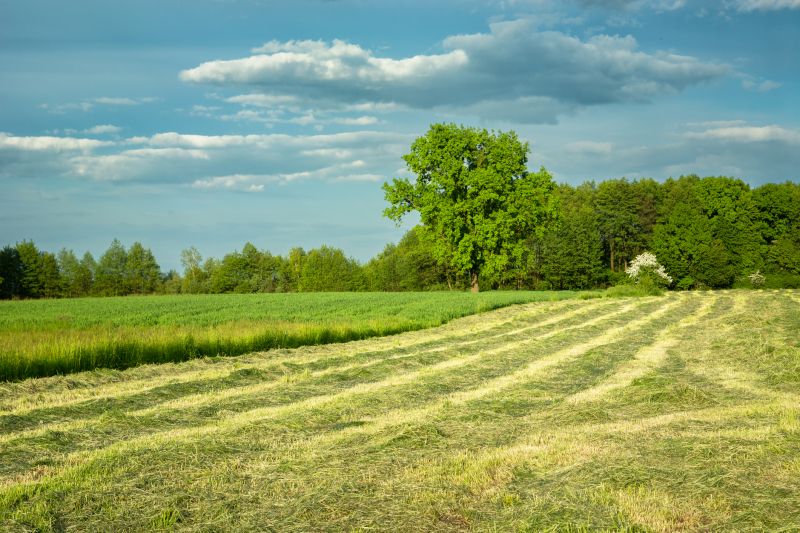
Restored landscapes promote healthy growth and aesthetic appeal.
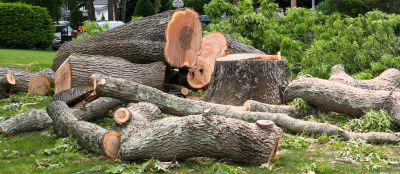
High-end options that actually feel worth it for Undergrowth Removals.
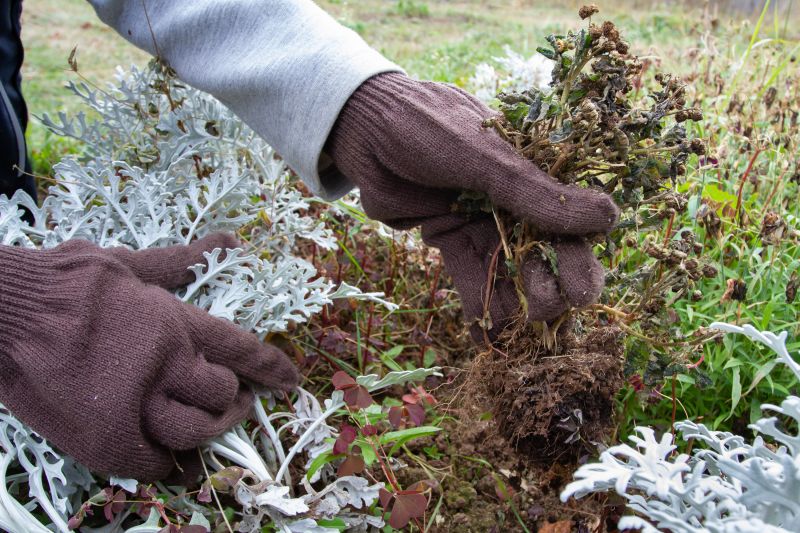
Finishes and colors that play nicely with Undergrowth Removals.

Little measurements that prevent headaches on Undergrowth Removals day.

A 60-second routine that keeps Undergrowth Removals looking new.
Interested in scheduling an undergrowth removal or learning more about the optimal timing for specific landscapes? Filling out the contact form can provide tailored advice and assistance to meet individual landscape management needs.