
Popular Undergrowth Removal Tools For Effortless Landscaping Projects
Explore a range of effective tools that help you tackle thick undergrowth with ease, ensuring a tidy and maintained garden or yard.
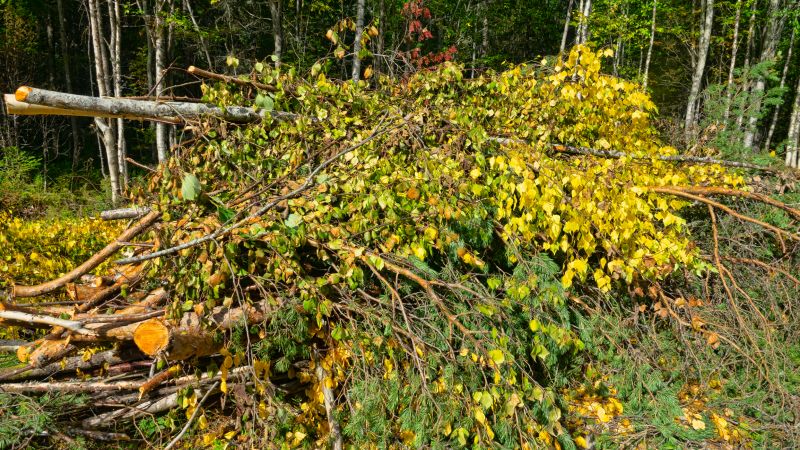 Managing overgrown undergrowth is an essential task for maintaining the health and appearance of outdoor spaces. Whether clearing a garden, pathway, or a larger landscape, selecting the right tools and products can make the process more efficient and less labor-intensive. There are a variety of options available, from manual hand tools to powered equipment, each suited for different scales and types of undergrowth. Proper selection depends on the density and type of vegetation, as well as the size of the area to be cleared.
Top Overall Option
Gas-Powered Brush Cutter
A versatile and powerful tool capable of handling thick undergrowth and dense vegetation, providing mobility and high cutting capacity for larger areas. Its robust engine and adjustable cutting head make it suitable for various terrains and vegetation types, making it a popular choice for comprehensive clearance tasks.
Types of Products For Undergrowth Removals
Manual Pruning Shears
Ideal for precise trimming and small-scale clearing tasks, allowing for detailed work around delicate plants.
Loppers
Long-handled tools designed to cut thicker branches and dense undergrowth with greater leverage.
Hand Saws
Suitable for cutting through small to medium branches and woody plants in tight spaces.
Gas-Powered Brush Cutters
Heavy-duty tools equipped with rotating blades or trimmer lines, capable of tackling thick undergrowth quickly.
Electric Weed Trimmers
Lightweight and easy to maneuver, ideal for trimming grass and light undergrowth in smaller areas.
Battery-Powered String Trimmers
Cordless options offering convenience and decent power for moderate undergrowth removal.
Chainsaws
Designed for cutting through thicker branches and woody debris, useful in clearing larger vegetation.
Rotary Tillers
Tools for breaking up soil and removing root systems in preparation for landscaping or planting.
Herbicide Applicators
Devices for targeted weed control, effective in managing persistent unwanted plants.
Mulching Machines
Equipment that shreds vegetation into mulch, aiding in removal and soil enrichment.
Root Rakes
Tools designed to extract roots and stubborn vegetation from the ground efficiently.
Garden Hoe
Manual tool useful for breaking up soil and removing surface weeds and undergrowth.
Grass Shears
Handheld scissors for trimming grass and small plants in tight or delicate areas.
Vegetation Shredders
Machines that reduce large plant debris into manageable mulch or compost material.
Push Lawn Mowers
Suitable for cutting overgrown grass and light undergrowth in larger lawns.
String Trimmer Attachments
Versatile attachments for multi-purpose clearing and trimming tasks.
Popular Choices
Often favored for their lightweight design and ease of use, suitable for small to medium areas.
Popular for cordless convenience, offering mobility without the hassle of cords.
Preferred for more demanding tasks involving thick undergrowth and larger areas.
Commonly used for cutting through dense branches and woody debris during clearing projects.
Often selected for soil preparation and root removal in landscaping projects.
Trending for targeted weed control in persistent or hard-to-reach areas.
Increasingly popular for converting large plant debris into mulch efficiently.
Common in residential settings for maintaining overgrown lawns and grassy patches.
Valued for their ability to remove stubborn roots and prepare land for planting.
Widely used for detailed trimming and shaping of plants in small-scale projects.
Manual tools such as pruning shears, loppers, and hand saws are ideal for smaller jobs or detailed work around delicate plants. For more extensive undergrowth, powered tools like weed trimmers, brush cutters, and chainsaws can significantly reduce effort and time. These devices come in various sizes and power levels, allowing users to choose based on the thickness of the vegetation and the terrain. Safety features, ease of use, and maintenance requirements are important considerations when choosing such equipment.
In addition to cutting tools, there are specialized products designed to clear undergrowth efficiently. These include rotary tillers for breaking up dense roots, herbicide applicators for targeted weed control, and mulching equipment that can shred and remove vegetation in place. Combining different tools and products can often provide the most effective approach to managing overgrowth, especially in larger or more challenging areas. Proper planning and understanding of the specific landscape needs will help determine the most suitable products for the task.
Investing in quality equipment and accessories can enhance safety and performance, ensuring that the task is completed effectively and with minimal fatigue. Regular maintenance and proper handling of tools extend their lifespan and maintain their effectiveness. Whether for a small garden or a large property, selecting the right products for undergrowth removal is key to achieving a tidy, healthy outdoor environment.
Key Buying Considerations
- Assess the density and type of undergrowth to determine the appropriate power and tool type.
- Consider the size of the area to be cleared to select equipment that offers efficiency without overkill.
- Evaluate the terrain and accessibility; some tools are better suited for uneven or tight spaces.
- Prioritize safety features such as blade guards, safety switches, and ergonomic handles.
- Check the weight and maneuverability of powered tools to reduce user fatigue during extended use.
- Review maintenance requirements and availability of replacement parts for long-term usability.
- Determine if cordless options are preferable for mobility or if corded tools suffice for your needs.
- Consider noise levels, especially if working in noise-sensitive environments or residential areas.
- Examine the versatility of the tool, including adjustable cutting heads or multiple attachments.
- Evaluate storage and ease of transport, particularly for larger equipment like chainsaws or tillers.
- Look into user reviews and ratings to gauge real-world performance and reliability.
- Ensure compatibility with safety gear such as gloves, eye protection, and hearing protection.
- Assess budget constraints while balancing the quality and features needed for your projects.
- Think about future needs; investing in adaptable tools can save costs on additional equipment.
- Verify warranty and customer support options to safeguard your investment.
This content contains affiliate links. We may earn a commission at no additional cost to you if you choose to purchase through these links.